In San Antonio, your roof is more than just a cover; it is a thermal shield that stands between your family and 100-degree days, unpredictable hail, and rising energy costs. When you realize it’s time for a san antonio roof replacement, the pressure to choose the right material and a reliable contractor can feel overwhelming. You need a system that doesn’t just look good but actually protects your investment for the next twenty years.
We understand that you’re likely tired of high cooling bills and the fear of a denied insurance claim after a storm. With over 15 years of experience and professional certifications from manufacturers like GAF and Certainteed, we’ve seen how the Central Texas climate punishes inferior materials. This guide will show you exactly how to select the most durable roofing systems for our region and how to navigate the replacement process with precision. We’ll cover everything from impact-resistant shingles to the latest “cool roof” technologies, ensuring your property remains leak-free and your insurance process stays smooth and transparent.
Key Takeaways
- See how 2026 building standards transform your roof from a simple repair into a strategic asset for energy efficiency.
- Compare the performance of TPO, metal, and asphalt shingles to find the best defense against the Central Texas climate.
- Learn how to manage the insurance claim process with precision to avoid common denials and protect your investment.
- Use our five-point criteria to vet contractors for your san antonio roof replacement, focusing on GAF Master Elite and Certainteed certifications.
- Discover how “cool roof” technology and proper material selection can significantly reduce your monthly cooling costs.
The Strategic Importance of San Antonio Roof Replacement in 2026
In 2026, viewing a san antonio roof replacement as a simple chore is a mistake. It’s actually a strategic investment in your property’s structural integrity. Modern building standards have evolved significantly, prioritizing energy efficiency and high-performance materials that weren’t standard a decade ago. With the adoption of the 2021 International Building Code (IBC) in San Antonio, new systems are designed to handle extreme temperature swings better than ever before.
To better understand the process of a professional installation, watch this helpful video:
The Central Texas climate is brutal on aging materials. Intense UV radiation and high humidity levels in San Antonio cause standard asphalt shingles to become brittle and lose their flexibility. If you’re curious about how these systems are put together, you can find a comprehensive overview of domestic roof construction to see the layers involved in a quality build. Proactively upgrading your residential roof in Austin, TX or San Antonio prevents moisture from seeping into the decking. This prevents structural rot and the high costs associated with interior damage.
Signs Your Central Texas Roof Has Reached Its Limit
Waiting for a ceiling stain to appear is a risky strategy. By the time you see water inside, the damage to your attic insulation and wood framing is usually already advanced. Look for these early warning signs on your property:
- Granule Loss: Check your gutters for “sand” or shingle pieces. This balding means the UV protection is gone and the asphalt is exposed.
- Hail Bruises: These small, dark spots look like thumbprints. They crack the waterproofing layer and invite slow leaks.
- Curled Edges: Shingles that lift or “fish-mouth” at the corners are no longer sealed against high winds.
Identifying these issues early allows you to plan your san antonio roof replacement before an emergency occurs. If you’re seeing these signs, it’s usually when we recommend getting a professional assessment to determine the remaining life of your system.
Comparing Roofing Systems for the San Antonio, TX and Austin, TX Climate
Choosing the right material for your san antonio roof replacement depends on balancing upfront costs with long-term performance. In Central Texas, the primary goal is heat mitigation. A “cool roof” uses materials with high solar reflectance to bounce UV rays away from your home rather than absorbing them into your attic. This single choice can significantly lower your summer energy bills. For a deeper look at specialized options, check out our flat roofing comparison guide for property owners.
Residential Options: Shingles vs. Metal in Austin, TX
High-quality architectural shingles remain the most popular choice for homeowners due to their balance of cost and reliability. We prioritize GAF and Certainteed shingles because their reinforced fiberglass mats and heavy granules withstand our local heat cycles without premature cracking. While shingles typically offer a 20-year reliable lifespan in our climate, stone-coated metal is a 2026 favorite for those seeking maximum hail protection. Metal systems often last 50 years or more, making them a permanent solution for many properties. If you are weighing these options, we can help you compare residential material lifespans for your specific neighborhood.
Commercial and Flat Roof Solutions in Austin, TX
For commercial properties, TPO (Thermoplastic Polyolefin) is the gold standard for performance. It is a single-ply reflective membrane that is heat-welded at the seams to create a monolithic, waterproof barrier. White TPO is particularly effective at reducing the “heat island” effect on large flat surfaces, which keeps the building interior cooler and reduces strain on HVAC systems. This material is a core part of our commercial roofing in Austin services because it combines durability with extreme energy efficiency. Whether you need a full commercial roof replacement or targeted repairs, choosing a UV-resistant membrane is essential for long-term protection.

The Reality of Costs and Insurance Claims in San Antonio, TX
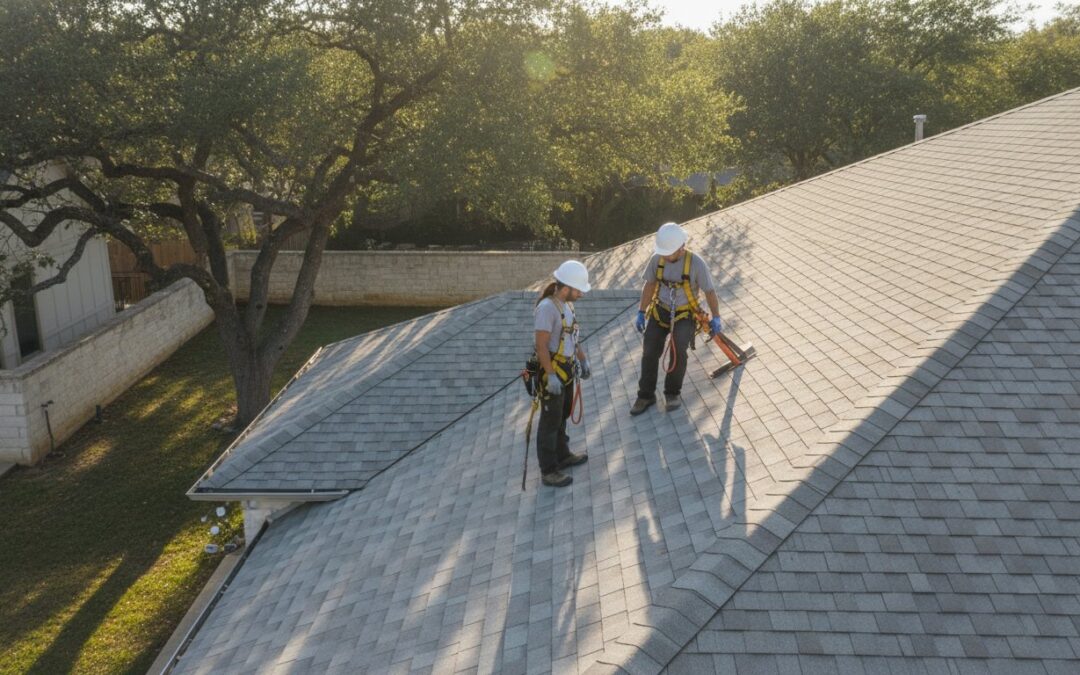
Costs for a san antonio roof replacement aren’t one-size-fits-all. It depends on several variables that a seasoned professional must evaluate on-site. The total square footage of your roof is the starting point, but the pitch or steepness also changes the labor requirements. Steeper roofs require specialized safety equipment and more time to navigate safely. Material choice, whether you select architectural asphalt shingles or stone coated metal, is the final major factor. We use our 15+ years of local experience to provide estimates that reflect these realities without hidden surprises.
Many property owners believe their insurance policy will automatically cover the entire bill. In reality, it depends on whether you have an Actual Cash Value (ACV) or Replacement Cost Value (RCV) policy. ACV policies only pay for the depreciated value of the roof based on its age, which can leave you with a significant out-of-pocket expense. We provide expert guidance during a san antonio roof replacement to help you understand these details before the project begins. If you’re unsure about your coverage, we can provide Insurance Claim Assistance to clarify your options.
Navigating the Claims Process After a Storm in Austin, TX
After a Central Texas hailstorm, documenting damage requires a trained eye. We use “contractor logic” to identify subtle hail bruises that adjusters might miss during a quick walkthrough. These small impacts compromise the shingle’s integrity and lead to leaks over time. It’s vital to have your roofer present when the insurance adjuster arrives. We speak their language and can point out specific areas of concern on-site to ensure nothing is overlooked. For more detail on this process, read our guide to insurance claim assistance to prepare for your storm recovery.
Choosing a Certified Contractor for Your San Antonio, TX Project
Selecting a team for your san antonio roof replacement requires looking beyond the lowest estimate. With over 15 years of local experience, we’ve seen how improper installation ruins even the highest quality materials. A local presence in Austin, TX and San Antonio is essential. It ensures your contractor understands our specific environmental stressors and will be available for long term support. You should vet every company against five key criteria: proper city registration, active liability insurance, manufacturer certifications, a strong local reputation, and clear warranty terms.
In San Antonio, contractors must register with the Development Services Department. This process includes background checks and proof of insurance, which protects you from liability. We also emphasize the importance of choosing a team with a physical office in Central Texas. This prevents the “storm chaser” scenario where a contractor disappears after the job is done. If you’re seeing signs of wear, we can take a look and give you a clear plan.
Why Certifications Like GAF and Versico Matter
Certifications like GAF Master Elite or Certainteed aren’t just marketing badges. They represent specialized training that prevents common installation errors, such as poor nail placement or incorrect flashing. These mistakes are the leading cause of premature leaks and often void your coverage. When a certified team handles your project, you gain access to manufacturer-backed system warranties that generic installers simply cannot offer.
- System Protection: Certified installs cover the entire roofing system, not just the shingles.
- Expert Training: Crews are trained on the latest 2026 application techniques for TPO and asphalt.
- Verified Stability: Manufacturers only certify companies with proven financial and professional histories.
There is a massive difference between a standard labor warranty and a manufacturer-backed guarantee. If a standard installer goes out of business, your labor warranty often vanishes. A system warranty stays intact because the manufacturer stands behind the work. If you’re ready to vet a team, use our San Antonio roofing company checklist to ensure you’re making a secure investment. Schedule a roof inspection in Austin today to get started.
Secure Your San Antonio and Austin, TX Property for the Decades Ahead
A successful san antonio roof replacement is a transformation from structural vulnerability to total security. By choosing high-performance materials like GAF shingles or reflective TPO, you build a defense that lowers your cooling costs and withstands Central Texas storms. Navigating the intersection of building codes and insurance claims doesn’t have to be a source of stress when you have the right local expertise on your side. We’ve seen how the right system protects your property and your wallet over the long term.
We bring over 15 years of local experience and manufacturer certifications from GAF and Certainteed to every project. Our team provides the expert insurance claim assistance you need to ensure your investment is protected and your property remains leak-free. Transitioning to a durable roofing system is the best way to gain peace of mind and long-term stability for your asset. If you’re ready to move forward with a clear, professional plan, we’re here to help you every step of the way.
Schedule a professional roof inspection in San Antonio today with Transition Roofing to secure your home or business. We look forward to helping you build a roof that lasts.
Frequently Asked Questions About San Antonio and Austin, TX Roofing
How much does a roof replacement cost in San Antonio?
The cost of a san antonio roof replacement depends on the square footage of your property, the steepness of the pitch, and the specific materials you choose. A larger roof or one with many peaks and valleys requires more labor and specialized safety equipment. Additionally, upgrading to premium materials like stone coated metal or TPO will change the initial investment compared to standard asphalt shingles. We provide clear, line-item estimates so you understand exactly how your budget is allocated for long-term protection.
How long does it take to replace a roof in Central Texas?
Most residential projects in the San Antonio and Austin, TX area are completed in one to three days. This timeline depends on the size of the structure and the weather conditions during the project. If we discover structural rot in the decking after the old materials are removed, the timeline may extend slightly to ensure the foundation is secure. We work methodically to ensure your property is never left vulnerable to the elements during the transition.
Will my insurance cover a roof replacement after a hail storm?
Insurance coverage for a new roof depends on the specific language in your policy and the extent of the verified damage. If a professional inspection confirms significant hail or wind damage, your insurer typically covers the replacement. You’ll need to check if you have a Replacement Cost Value (RCV) policy, which covers the full cost, or an Actual Cash Value (ACV) policy, which pays a depreciated amount based on the roof’s age. We provide expert documentation to help you navigate this complex process with your adjuster.
What is the best roofing material for the San Antonio heat?
The most effective materials for the Central Texas climate are those with high solar reflectance, often referred to as “cool roofs.” For commercial or flat surfaces, white TPO membranes are the gold standard for reflecting UV rays and lowering energy bills. Homeowners often find that Class 4 impact-resistant shingles or metal roofing provide the best balance of heat mitigation and durability against the frequent hailstorms we experience in the region.
Can I stay in my house during a roof replacement?
You can stay in your home, but you should prepare for a high level of noise and activity starting early in the morning. A san antonio roof replacement is a major construction event that involves heavy materials being moved across your roof deck. For safety, it’s best to keep pets and children inside and move your vehicles to the street to avoid falling debris. We maintain a clean job site and follow a strict safety protocol to minimize the impact on your daily routine.