
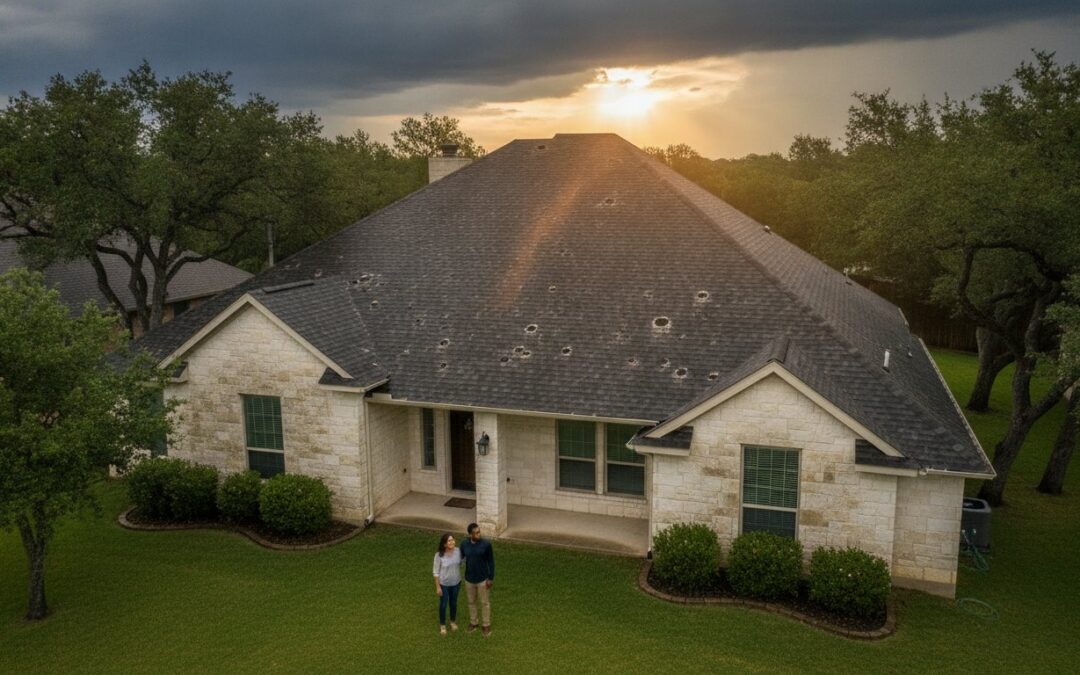
Did you know that Texas leads the nation in property damage from hailstorms, with the Austin area recording over 130 hail reports in just the last year? It is a staggering figure that leaves many homeowners feeling vulnerable and uncertain about the next steps. If you are currently staring at your shingles and wondering about the impact, knowing exactly what to do after a severe hail storm hits your roof is the most important step you can take to protect your investment.
We understand the pressure of avoiding out-of-town storm chasers while worrying if a claim will spike your premiums or if hidden leaks are already forming. You deserve a clear path forward that prioritizes your property’s long-term security. This guide follows our 15 years of local experience to provide a step-by-step checklist for safely assessing damage, documenting evidence for insurance, and securing your Austin, TX property. We’ll show you how to navigate the recovery process with the confidence of a seasoned expert, ensuring your home moves from a state of vulnerability to one of total protection.
Key Takeaways
- Prioritize safety by staying on the ground and performing a 360-degree walk-around to spot obvious debris or missing shingles.
- Follow our expert-led steps on what to do after a severe hail storm hits your roof to secure the wide-angle photos and weather data needed for a successful claim.
- Understand how the Austin heat makes asphalt shingles more likely to “bruise” and how to tell the difference between cosmetic dents and hidden leaks.
- Learn how to decide between a simple repair and a full replacement while considering Class 4 shingles to help lower your future premiums in Texas.
Austin, TX Hail Storm: First 24 Hours After Roof Damage
The first 24 hours after a storm are often the most stressful for homeowners in Central Texas. If you are trying to figure out what to do after a severe hail storm hits your roof, your first priority must be safety. Never climb onto the roof while it is still wet or covered in slick hail. Even if the sun comes out, shingles can remain dangerously slippery for hours. Understanding what is hail and how its size relates to terminal velocity explains why these ice stones can compromise your home’s structural integrity in minutes.
Ground-Level Inspection Checklist
Our team has over 15 years of experience identifying subtle signs that an untrained eye might miss. Use this checklist to document evidence before calling your insurance company:
- Granule Loss: Check the base of your downspouts for piles of shingle granules that look like coarse sand.
- Soft Metal Dents: Look for “dings” in garage doors, mailboxes, and window screens.
- Debris: Note any fallen tree limbs or heavy branches that may have struck the roof deck.
Immediate Interior Safety Checks
Damage is not always visible from the driveway. Go into your attic with a high-powered flashlight to look for new water spots, damp insulation, or active drips. Pay close attention to roof penetrations like vent pipes and chimneys, as hail often cracks the seals around these areas. Climbing on a hail-damaged roof without a harness is a critical safety risk because compromised shingles or hidden structural weaknesses can lead to life-threatening falls. If you see signs of water entry, this is usually when we recommend calling a professional for a residential inspection to prevent mold growth or interior rot.
Identifying Hidden Hail Damage in the Austin, TX Climate
The Central Texas climate presents a unique challenge for roofing materials. When summer temperatures regularly exceed 100°F, your roof absorbs massive amounts of thermal energy. If a sudden storm rolls in, the impact of ice creates “thermal shock.” This occurs when freezing hail hits a sun-baked surface, causing the asphalt to contract rapidly and crack. Understanding these environmental stressors is a key part of what to do after a severe hail storm hits your roof, as damage often goes beyond simple dents.
You must distinguish between functional and cosmetic damage. Cosmetic damage might include small dents in metal vents that don’t affect performance. Functional damage, however, involves a compromise of the roof’s water-shedding ability. In Austin, the intense UV rays accelerate the breakdown of “bruised” shingles, turning minor hits into major leaks within just one or two seasons. If you suspect your roof has suffered from thermal shock, we can help you identify these hidden vulnerabilities before they reach the building interior.
Signs of Damage on Residential Shingles
On a standard home, hail doesn’t always leave a hole. Instead, it creates a “bruise.” This is a soft spot where the granules have been driven into the internal matting, fracturing the fiberglass layer. You should also look for “stars,” which are small, radiating cracks in the shingle surface. Because residential roofing systems in Austin often hide these fractures, the damage may not become obvious until the next heavy rain pushes water through the weakened matting.
Commercial Roofing Hail Vulnerabilities
Flat roofs require a different diagnostic approach. For TPO and PVC membranes, we look for microscopic fractures or “shattering” that typically occurs over the rigid insulation plates. These fractures are often invisible to the naked eye and require specialized “probing” to locate. On metal systems, we check for buckled seams or fasteners that have popped out due to the force of the impact. If you manage a property with a flat system, our experts in commercial roofing in Austin can perform a detailed forensic sweep to ensure your membrane remains watertight.
Navigating the Insurance Claim Process in Austin, TX
Once the storm passes, the administrative recovery begins. Knowing what to do after a severe hail storm hits your roof includes managing the paperwork just as carefully as the physical repairs. Start by documenting the exact date and time of the event. Austin weather can vary block by block, so use local radar reports as backup for your claim. Take wide-angle photos of your entire property and detailed close-ups of any visible damage to gutters, fences, or shingles before any temporary repairs begin.
We always recommend getting a professional contractor’s inspection before calling your insurance company. An experienced roofer will identify subtle damage that an adjuster might overlook, providing you with a comprehensive report to lead the conversation. You must also be wary of “storm chasers” who saturate high-growth areas like Cedar Park and Round Rock after a major event. Always verify local Austin addresses and Texas-based phone numbers to ensure you are working with a neighborly expert who will be here long after the check is cashed.
Working with a Local Austin Adjuster
We recommend having your roofer present during the adjuster’s inspection to advocate for the full scope of work. It is also vital to understand your policy type. An Actual Cash Value (ACV) policy only pays for the depreciated value of the roof, while a Replacement Cost Value (RCV) policy covers the full cost of a new system. Transition Roofing brings over 15 years of experience in insurance claim assistance to help you navigate these complex details with confidence.
Avoiding Common Filing Mistakes
Don’t wait longer than 30 days to have an expert look at your roof because damage becomes significantly harder to prove as time passes. Never sign a “contingency agreement” or any contract before seeing a full, written estimate and scope of work. In Texas, the policyholder is legally responsible for paying their insurance deductible. If you are ready to move forward, we can provide insurance claim assistance to ensure your property is moved from a state of vulnerability to total security.
Professional Repair and Long-Term Protection in Austin, TX
Deciding between a targeted repair and a full replacement is the final phase of what to do after a severe hail storm hits your roof. In the roofing industry, we use a “square” damage count to make this determination. A square is a 10-foot by 10-foot area. If we find more than eight to ten significant hail hits within a single square, a full replacement is usually necessary to maintain structural integrity. This methodical approach ensures you don’t pay for a new roof when a repair will suffice, but it also prevents you from leaving your property vulnerable to leaks.
Upgrading to Class 4 Impact-Resistant shingles is one of the smartest investments you can make in the Central Texas climate. These materials are engineered to withstand larger hail stones without cracking the internal matting. Most Texas insurance providers offer substantial premium discounts for homes with Class 4 ratings, often allowing the upgrade to pay for itself over time. To ensure your warranty remains valid, always use GAF or CertainTeed certified installers. Our 15+ years of local experience shows that manufacturer-backed warranties are only as good as the certification of the hands that installed the shingles.
Choosing the Right Materials for Central Texas
In high-hail areas, stone-coated metal offers superior durability compared to traditional asphalt shingles. It provides a lifetime of protection and often increases property value. For commercial properties, flat roofing coatings can seal microscopic fractures and extend the life of your system by years. We also recommend high-quality synthetic underlayments to provide a secondary waterproof barrier during Austin’s unpredictable spring storm season.
Why Local Expertise Matters
Out-of-state contractors often overlook specific building code requirements in surrounding areas like Round Rock or Pflugerville. Local expertise ensures your project meets every municipal standard and qualifies for a local warranty you can actually rely on five years from now. If you are ready to start your recovery, our guide on Austin roof repair provides a deeper look at the specific steps we take to secure your property. If you are dealing with storm damage, we can take a look and give you a clear plan. Schedule a roof inspection in Austin today.
Secure Your Austin Property for the Long Term
Recovering from a major weather event in Central Texas doesn’t have to be a source of constant stress. By prioritizing ground-level safety and understanding how Austin’s heat hides shingle bruising, you’ve already taken the first steps toward a successful recovery. Remember that documenting evidence early and avoiding out-of-town storm chasers are the best ways to ensure your insurance claim is handled with integrity.
Knowing exactly what to do after a severe hail storm hits your roof is about more than just finding leaks. It’s about partnering with a neighborly expert who understands our local climate and building codes. With over 15 years of experience and master certifications from GAF and CertainTeed, we specialize in insurance claim advocacy to help you navigate the process from start to finish. We are committed to moving your structure from a state of vulnerability to one of total security.
For homeowners who wish to go beyond storm restoration and explore more extensive property improvements, Precision Innovative Construction LLC offers expert residential remodeling and additions that maximize both aesthetic appeal and structural longevity.
If you suspect your home or commercial building has been impacted, we can take a look and give you a clear plan. Schedule a professional hail damage inspection in Austin today. You can rest easy knowing your property is in capable, local hands.
Frequently Asked Questions
Should I call my insurance company or a roofing contractor first after a hail storm?
You should always call a qualified roofing contractor first. A professional inspection determines if there is enough functional damage to warrant a claim before you involve your insurance provider. Opening a claim without confirmed damage can result in a “zero-pay” claim on your record, which might affect your future insurability. We provide these assessments to help you decide exactly what to do after a severe hail storm hits your roof.
Can I see hail damage on my roof from the ground?
Most hail damage is invisible from the driveway or lawn. While you might spot missing shingles or dented gutters, the “bruising” that compromises a roof’s lifespan happens at a microscopic level. Granules often hide the fractures in the asphalt matting that lead to leaks. A certified expert must physically get on the roof to identify these soft spots and determine if the structural integrity is compromised.
How long do I have to file a hail damage claim in Texas?
The deadline depends on your specific insurance policy, but most Texas homeowners have between one and two years from the date of the storm. It’s important to check your policy documents for “notice of claim” requirements immediately. Waiting too long makes it difficult to prove the damage was caused by a specific weather event rather than normal wear and tear in the Central Texas climate.
What size hail is required to actually damage a roof in Austin?
Hail that is one inch in diameter, or roughly the size of a quarter, is typically large enough to cause functional damage to asphalt shingles. However, smaller hail can still cause significant issues if your roof is older or has been weakened by the intense Austin heat. We often see damage from smaller stones when they are accompanied by the high-velocity winds common in Central Texas “dry line” storms.
Will my insurance rates go up if I file a claim for hail damage?
Texas law generally prevents insurance companies from raising your individual rates for a single claim caused by an “act of God,” such as a hailstorm. However, your premiums may still increase if your insurance company raises rates for your entire zip code due to widespread storm activity in the area. This is a common part of navigating what to do after a severe hail storm hits your roof in high-risk regions.